Passion Fruit
🌞
Passiflora ‘Sunshine Special’ – Sunshine Special Passionfruit
Botanical Name: Passiflora edulis (purple passionfruit variety)
Common Names: Sunshine Special passionfruit
Crop Type: Edible, climbing vine
🌟
Key Characteristics
🍇 Fruit & Taste
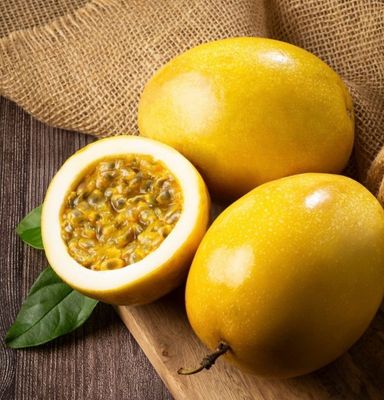
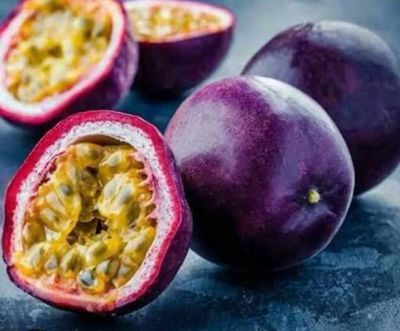
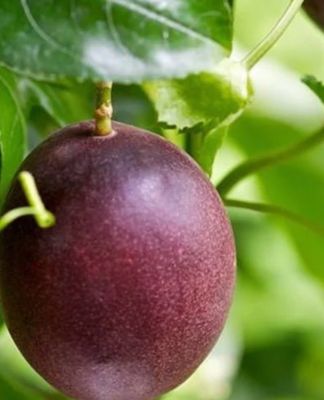
- Produces large, round purple-skinned fruit with sweet, aromatic and juicy yellow pulp — classic purple passionfruit flavour with a balance of sweetness and tartness.
- Pulp is delicious eaten fresh or used in juices, desserts, yoghurts and sauces.
🌿 Vine Features
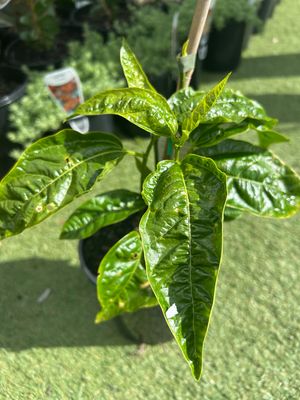
- Vigorous climber with lush green foliage — excellent for trellises, fences, pergolas or as a living screen.
- Evergreen in warmer conditions; tolerates cooler Perth winters better than many tropical strains.
- Non-grafted form means no problem with invasive suckers often seen in grafted plants.
🌱 Growth & Yield
- Fast growing and capable of heavy fruit loads in a well-managed garden.
- Self-fertile — doesn’t require another variety for fruit set if there are plenty of bees present.
- Can begin fruiting in 2-3 years after planting from cutting.
🌞
How to Grow in a Perth Garden
🧑🌾
Site & Soil
- Sun: Full sun (minimum 6–8 hrs/day) — vital for heavy flowering and fruiting in Perth’s climate.
- Soil: Well-drained, fertile soil with good organic matter. Slightly acidic to neutral pH (~5.5–6.5).
- Moist but not waterlogged — avoid soggy soil which can cause root issues.
🛠️
Planting & Support
- Provide a strong support structure such as a trellis, fence or pergola — passionfruit are climbers.
- Space vines 2–3 m apart if planting multiple.
💧
Water & Feeding
- Regular watering once established; increase during flowering & fruiting.
- Mulch to preserve soil moisture and cool roots in Perth’s summer heat.
- Feed with a balanced fertiliser in spring and a potassium-rich fertiliser when flowers appear to boost fruit set.
✂️
Pruning
- In the first year allow strong vertical growth; later pinch out shoot tips to encourage branching and fruiting side shoots.
- Prune to control size and improve air flow; remove dead or overcrowded growth.
🐝
Pollination
- Pollination is mainly by bee activity — honeybees or native bees help set fruit.
- Attractive flowers also bring beneficial pollinators into the garden.
🐞
Pests & Common Issues
- Possible pests: scale, mealybug, mites and fruit fly; protect with netting if needed.
- Diseases can include brown spot, fusarium and woodiness virus — good hygiene and airflow help.
🍽️
Harvest & Use
- Harvest when fruit falls naturally or skin becomes slightly wrinkled — this indicates ripe, sweet pulp.
- Use fresh, in juices, desserts, salad dressings, marinades or freeze pulp for later use.
📍
Perfect for Perth
‘Sunshine Special’ is ideally suited to Perth’s warm temperate climate, with cold tolerance and robust fruiting compared with more tropical varieties — a favourite locally for backyard growers and nurseries alike.
Clearance
Passion Fruit Flamenco Red 4 L Pot
Passion Fruit Flamenco Red 4 L Pot
was AU$30.00
Save 33%
AU$20.00
Display prices in:AUD