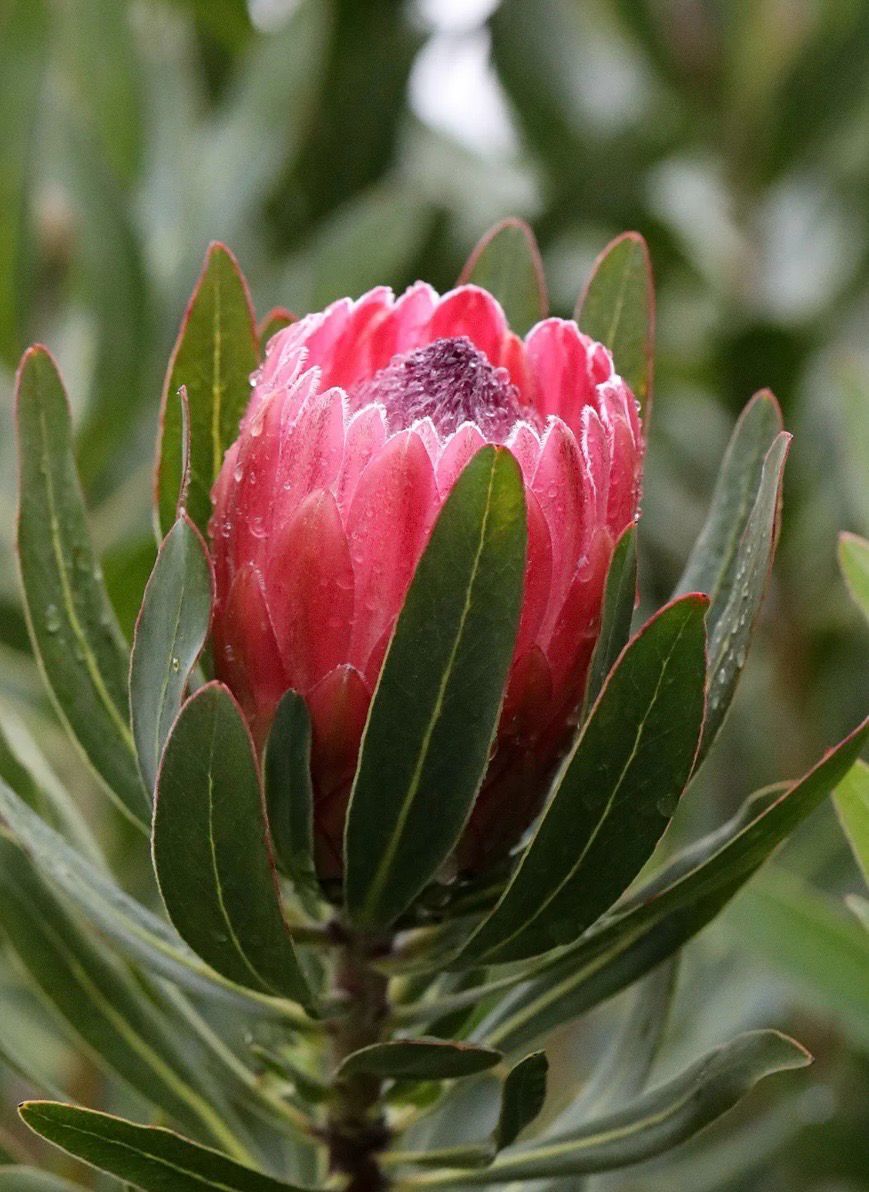
Protea Pink Ice 1.4 L Pot
AU$30.00
Price incl. GST (10%) AU$2.73
Pre order ( available from Thursday 15/10/26)
Estimated delivery time
Pickup: today, 12:20 PM–05:00 PM
In stock: 8 available
Product Details
Protea ‘Pink Ice’ – Features, Growing Guide & Landscaping Uses
Protea ‘Pink Ice’ is a striking evergreen shrub known for its large, pink-and-cream flower heads, attractive foliage and long-lasting cut flowers. It is an excellent feature plant for water-wise gardens in Perth when planted in suitable, well-drained soil.
1. Important features
Botanical name: Protea ‘Pink Ice’
Flower colour: Soft pink to rosy pink with creamy-white tones.
Flowering season: Generally late autumn through winter and into spring, depending on local conditions.
Mature height: Approximately 1.5–2.5 metres.
Mature width: Approximately 1.5–2 metres.
Foliage: Evergreen, leathery green leaves.
Sunlight: Full sun is best for healthy growth and abundant flowering.
Water needs: Low to moderate once established.
Growth habit: Upright, bushy shrub.
Special feature: Beautiful, long-lasting blooms that are popular in floral arrangements.
Plant size and flowering time can vary with climate, pruning, soil and growing conditions.
2. General care in Perth
Perth's Mediterranean climate is well suited to Protea ‘Pink Ice’, provided the roots never sit in water.
Sunlight: Choose a sunny, open position with at least 6 hours of direct sunlight daily.
Watering: Water regularly during the first summer while the plant establishes. Once established, water deeply during prolonged hot, dry periods.
Soil: Prefer sandy, acidic, low-phosphorus soil with excellent drainage.
Fertiliser: Use only a suitable low-phosphorus fertiliser formulated for proteas or phosphorus-sensitive plants. Avoid chicken manure, ordinary high-phosphorus fertilisers and rich manures.
Pruning: Remove spent flowers and lightly trim the green growth after flowering to maintain a bushy shape. Avoid cutting back into old, leafless wood.
Mulching: Apply a light layer of mulch while keeping it away from the main stem.
Pests and diseases: Watch for yellowing leaves, root decline and signs of root rot, especially in poorly drained soil.
3. How to plant Protea ‘Pink Ice’
Choose the right location. Select a sunny garden bed with enough space for a shrub about 2.5 m tall and 2 m wide.
Prepare the soil. Check drainage before planting. If the soil is heavy or waterlogged, use a raised mound or raised garden bed filled with suitable free-draining, low-phosphorus soil.
Dig the hole. Make it approximately twice as wide as the root ball and no deeper than the root ball itself.
Position the plant. Gently remove the pot, protect the roots and place the plant at the same depth it was growing in the container.
Backfill carefully. Use suitable low-nutrient soil without adding manure or high-phosphorus fertiliser.
Water thoroughly. Water around the root zone to settle the soil, then maintain consistent moisture while the roots establish.
Finish with mulch. Apply a light mulch layer without covering the stem or burying the root crown.
Best planting time in Perth: Autumn or spring is generally preferable to the hottest part of summer.
4. Landscaping importance
Feature plant: Creates an impressive focal point in front gardens, courtyards and larger garden beds.
Water-wise landscaping: Ideal for established, low-water gardens with suitable drainage.
Coastal gardens: A good option for exposed, sunny locations where coastal conditions are suitable.
Informal screening: Can form a flowering screen when planted with sufficient spacing.
Modern and Mediterranean gardens: Pairs beautifully with gravel, decorative rocks and other drought-tolerant plants.
Cut-flower garden: Its distinctive blooms can be harvested for fresh bouquets or dried floral arrangements.
Seasonal colour: Adds striking pink flowers when many other garden shrubs offer less colour.
For a Perth landscape, consider combining it with suitable low-phosphorus-growing plants such as selected grevilleas and leucadendrons, while allowing adequate airflow and root space.
Save this product for later
Customer reviews
Reviews only from verified customers
No reviews yet. You can buy this product and be the first to leave a review.
Protea Pink Ice 1.4 L Pot
Display prices in:AUD